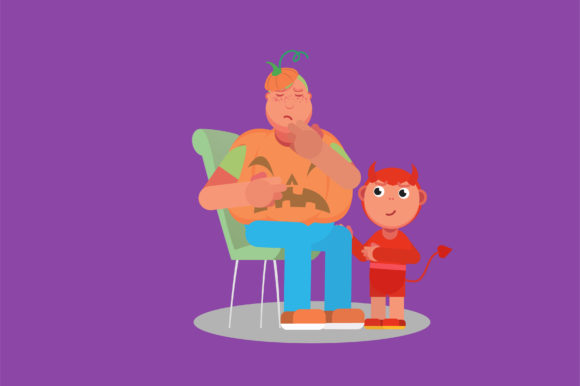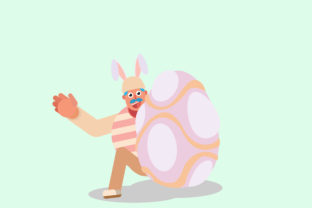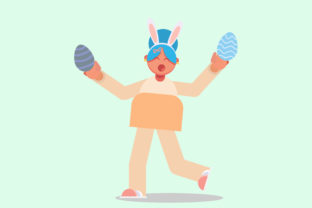
Asian Character Vector Illustration
As a designer and embroidery product reviewer, I often find myself evaluating vector illustrations for their practicality in real-world projects. The Asian Character Vector Illustration caught my attention not just for its aesthetic appeal but for how it could translate into various embroidery applications. From custom apparel to handmade gifts, this design has potential—but only if used thoughtfully.
First Impressions: A Unique Character with Cultural Nuance
The first thing that stands out about the Asian Character Vector Illustration is its visual personality. It’s a clean, stylized representation of an Asian individual, blending simplicity with cultural symbolism. The illustration feels modern yet timeless, making it versatile for different design contexts. The layout is balanced, with clear lines and a central focal point that draws the eye naturally.
The level of detail is moderate—enough to convey character without being overly complex. This makes it suitable for machine embroidery designs where too much intricacy can lead to stitching issues. The shape and theme suggest it could work well on items like tote bags, sweatshirts, or baby clothes, where a friendly, recognizable image is desired.
Real-World Embroidery Use Cases
When considering the Asian Character Vector Illustration for real embroidery projects, it’s important to think about how it will look when stitched. For example, if you're creating a custom embroidered tote bag for a small shop, this design could serve as a strong visual anchor. Its simplicity ensures that it won’t get lost in the fabric, while its cultural relevance could resonate with customers looking for meaningful, personalized gifts.
On a sweatshirt, the design would likely stand out as a subtle yet distinctive feature. It’s not too bold, which is great for casual wear, but still has enough presence to make a statement. For baby items, such as onesies or blankets, the illustration adds a touch of warmth and character without being overwhelming.
It also works well as an embroidered patch for jackets or backpacks. The vector format allows for easy scaling, which is essential when working with different hoop sizes. However, I’d recommend testing it on scrap fabric first to ensure that the stitch density and thread colors align with your vision.
Where to Use Carefully
While the Asian Character Vector Illustration is generally user-friendly, there are certain scenarios where caution is needed. If you’re planning to use it on small hoop sizes, be mindful of the design’s complexity. Too many details in a limited space can cause stitching problems, especially if the design isn’t optimized for tight areas.
Textured fabrics or thin, stretchy materials may also pose challenges. The design’s lines could become distorted or less visible depending on the fabric’s weave. Dark fabrics might require a contrast in thread color to ensure visibility, while layered garments could complicate the placement of the design.
Curved surfaces like caps or hoods can also affect how the design looks once stitched. The illustration’s shape should be tested on these surfaces to ensure it maintains its integrity. Additionally, if the design includes tiny lettering or dense stitch areas, it may not hold up well under frequent washing or heavy use.
Impact on Visual Appeal and Customer Perception
The Asian Character Vector Illustration has the potential to elevate the visual appeal of any project it’s used in. Its clean lines and cultural relevance can add a unique touch that sets a product apart from generic options. For Etsy sellers or small business owners, this could mean increased customer interest and higher perceived value.
When used effectively, the design contributes to a more professional appearance, which is crucial for handmade products and custom apparel. It also enhances brand consistency, especially if the design aligns with a shop’s overall aesthetic or theme. For personalized gifts, the illustration can make a meaningful statement, increasing the emotional connection between the gift and the recipient.
However, if not executed properly, the design could appear cheap or unrefined. This is why it’s essential to test it thoroughly before finalizing any project. Ensuring that the stitch density is appropriate and that the design works on both light and dark backgrounds can prevent common pitfalls.
Practical Designer Notes
Before using the Asian Character Vector Illustration in any project, I always recommend testing it on scrap fabric. This helps identify any potential issues with stitch density, thread color contrast, or stabilizer needs. For example, if the design is going to be on a lightweight fabric, a good stabilizer will help maintain the integrity of the stitches.
Also, check whether the design works well in black and white mockups. This can reveal how the details will appear without color, which is useful for printable mockups or digital product previews. Comparing the design on light and dark fabric backgrounds is another important step, as it affects visibility and overall impact.
For commercial embroidery projects, confirm the licensing terms before selling finished items or digital products. While the ZIP file includes multiple formats like Ai, EPS 10, JPG, PNG, SVG, and DXF, it’s best to verify compatibility with your embroidery machine and software. This ensures that the design translates smoothly from screen to stitch.
Final Thoughts: A Design with Purpose
The Asian Character Vector Illustration is a design that offers both aesthetic and practical value. It’s ideal for embroidery projects that require a culturally relevant, clean, and recognizable image. Whether you're an Etsy seller, a craft business owner, or a hobbyist, this illustration can add a meaningful touch to your products.
But like any design, its success depends on how it's used. With careful consideration of fabric type, hoop size, and stitch density, the Asian Character Vector Illustration can become a standout element in your embroidery projects. It’s not just a graphic—it’s a tool that, when used correctly, can enhance the quality and appeal of your handmade or commercial work.