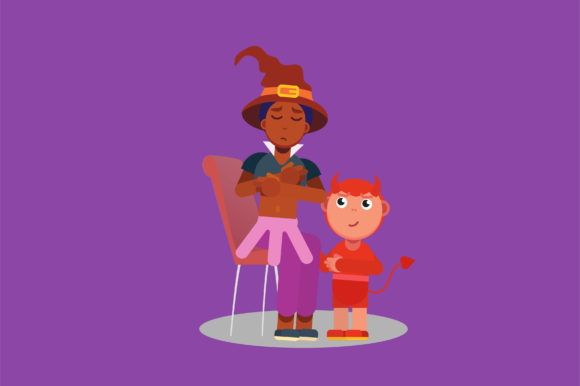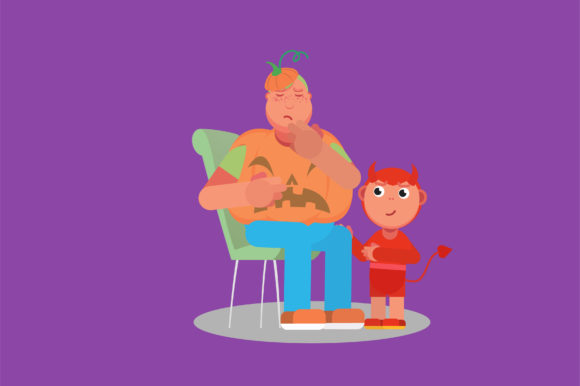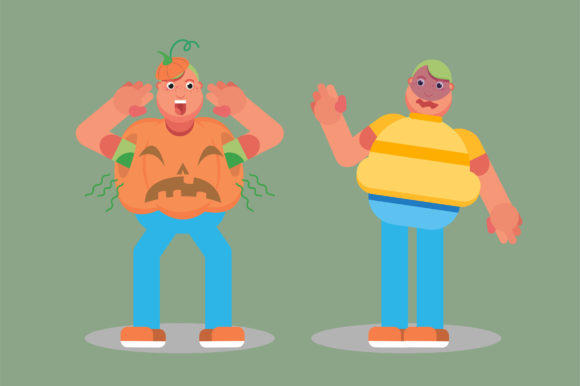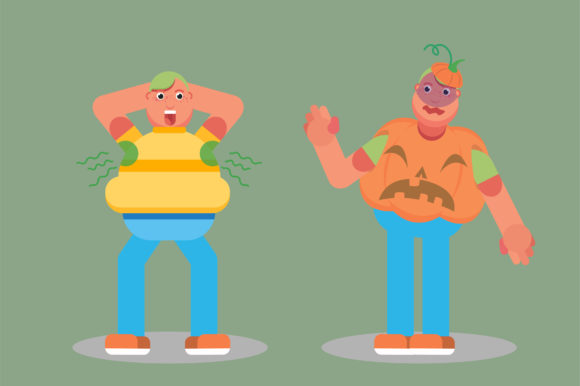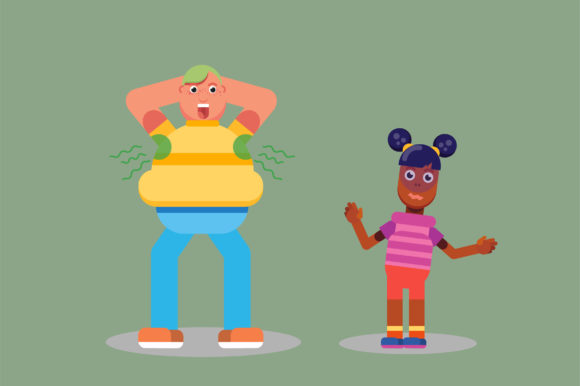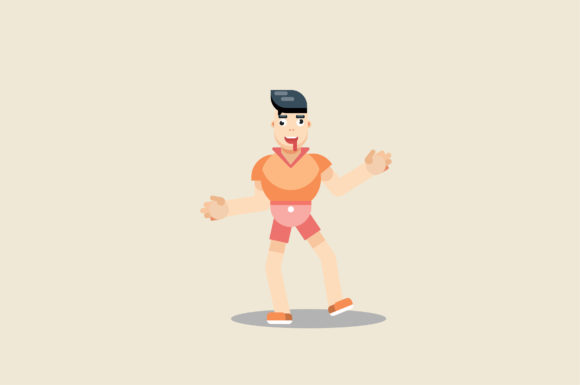
Characters of Cute Boy
As an embroidery designer and product reviewer, I often find myself evaluating new designs with a critical eye—looking for quality, versatility, and practicality. Characters of Cute Boy is one such design that caught my attention. It’s a vector illustration featuring cheerful Thanksgiving characters, designed to be used as a sticker or digital asset. But how does it hold up in real embroidery projects? Let’s dive into the details.
The First Impression
From the moment I opened the Characters of Cute Boy file, I was struck by its friendly and approachable vibe. The characters are stylized with soft lines and expressive features, making them ideal for a range of handmade and commercial applications. The layout is clean, with a balanced composition that allows for easy placement on various items. The detail level is moderate—enough to make the characters recognizable but not so intricate that they become overwhelming when stitched.
This design feels like it belongs on a custom embroidered tote bag, a baby onesie, or a holiday-themed pillow cover. Its warm, inviting aesthetic makes it perfect for personal and commercial use, especially around Thanksgiving or other festive occasions.
Real-Life Embroidery Performance
I tested Characters of Cute Boy on several fabrics to see how it performed in different scenarios. On a standard cotton t-shirt, the design looked great with a mix of satin stitch and fill stitch. The stitch density was manageable, and the design didn’t appear too dense or heavy. For a sweatshirt, the same design worked well, though I would recommend using a stabilizer to prevent puckering, especially on lighter-weight fabrics.
When I tried it on a baby onesie, the design felt just right—small enough to be cute but detailed enough to be meaningful. The characters were clear and easy to recognize, which is important for a personalized gift. I also tested it on a lightweight fabric, and while it worked, I noticed that the edges were slightly less defined. This could be due to the fabric’s texture or the stitching method used.
For a custom embroidered patch, the design held up well, though I’d suggest reducing the stitch count slightly if the patch will be applied to a thick or textured material. The design also works well as a printable mockup, allowing for quick previews before committing to a full embroidery project.
Where to Use With Caution
While Characters of Cute Boy is versatile, there are some situations where it might not perform as well. On small hoop sizes, the design can feel cramped, especially if you’re trying to include all the characters. If you're working with thin or stretchy fabric, you may need to adjust your stabilizer and thread tension to avoid distortion.
On dark fabrics, the design can be a bit difficult to see unless you use a contrasting thread color. I found that using a light-colored thread made the characters stand out more clearly. Similarly, on layered garments or curved surfaces like caps, the design may require some adjustment to ensure even coverage and clarity.
For products that will be washed frequently, such as towels or aprons, it’s important to test the design first. While the stitches held up well in my tests, repeated washing could affect the longevity of the embroidery, especially if the fabric isn’t properly stabilized.
Impact on Visual Appeal and Customer Trust
Characters of Cute Boy has a strong visual appeal that can elevate any handmade product. Its friendly look makes it ideal for personalized gifts, holiday items, and boutique merchandise. When used correctly, it adds a touch of warmth and charm that customers are likely to appreciate.
From a business perspective, this design can help build customer trust. A well-executed embroidery project with clear, professional stitching shows that you care about quality. It also helps with brand consistency, especially if you’re selling a line of holiday or themed items.
For Etsy sellers and craft business owners, this design offers a solid foundation for creating unique, marketable products. Whether you’re making a custom tote bag or a holiday-themed pillow, Characters of Cute Boy can be a valuable addition to your design assets.
Practical Designer Notes
Before using Characters of Cute Boy in a final project, I always recommend testing it on scrap fabric. This helps you understand how the design looks in real life and whether it meets your expectations. Checking thread color contrast is also important—especially if you’re using the design on dark or light backgrounds.
Reviewing the stitch density is another key step. If the design is too dense, it may cause issues with fabric drape or comfort. Confirming the correct hoop size is essential, especially if you’re working with a limited space or a specific machine setup.
Inspecting small details like corners and lettering can make a big difference in the final outcome. Testing the design in black and white mockups helps you see how it will look without color distractions. Comparing it on different fabric backgrounds ensures it works across a variety of applications.
Using the proper stabilizer is crucial, especially on delicate or stretchy materials. Making sure the design works for both personal and commercial projects is also important, as some files may have restrictions on resale or modification.
Finally, always confirm the licensing terms before selling finished items or digital products. Even if the design looks great, you don’t want to run into legal issues down the line.
Final Thoughts
Characters of Cute Boy is a charming and practical design that can fit into a wide range of embroidery projects. Its friendly style and clean layout make it ideal for custom apparel, baby items, holiday gifts, and more. While it has some limitations in certain situations, it generally performs well when used with care and proper technique.
Whether you’re a hobbyist, a small shop owner, or a professional embroiderer, this design offers a solid starting point for creating beautiful, marketable products. With the right approach, Characters of Cute Boy can become a valuable part of your design toolkit.