Chinese Character Vector Illustration
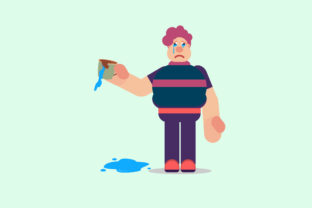
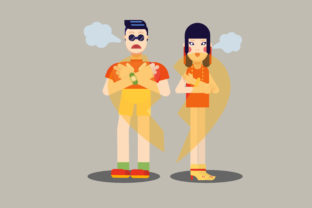
As a designer and embroidery product reviewer, I often find myself evaluating vector illustrations for their practicality in real-world projects. The Chinese Character Vector Illustration caught my attention not just for its aesthetic appeal but for how it could translate into meaningful embroidery work. This design, featuring a sad Chinese character, is more than just an image—it’s a potential centerpiece for a wide range of handmade and commercial products.
First Impressions: Mood, Layout, and Visual Personality
The first thing that stands out about the Chinese Character Vector Illustration is its emotional tone. The "sad" theme is subtly conveyed through the illustration's shape and color palette. It’s not overly dramatic, but it carries a sense of quiet reflection that can be powerful when used in the right context. The layout is clean and focused, making it easy to integrate into various designs without feeling cluttered or overwhelming.
The level of detail is moderate, which is ideal for embroidery. It’s intricate enough to make an impact but not so detailed that it becomes difficult to stitch. The visual personality of the design feels modern and versatile, fitting well with both traditional and contemporary aesthetics. It’s a strong candidate for personalized gifts, custom apparel, and small business merchandise.
Real-Life Embroidery Use Cases
Imagine you're preparing a custom embroidered tote bag for a client who wants something unique and meaningful. The Chinese Character Vector Illustration could be the perfect addition. It would look great on a cotton tote, especially if paired with a simple background. The colorful vector style adds visual interest without being too busy, making it suitable for both casual and elegant settings.
For a sweatshirt or t-shirt design, this illustration could work as a subtle accent or a bold statement piece. Depending on the thread colors and fabric choice, it could evoke different moods. On a baby onesie, it might serve as a thoughtful keepsake, while on a cap or apron, it could add a touch of personality to everyday wear.
This design also has potential for holiday or wedding gifts. A pillow cover with the Chinese Character Vector Illustration could become a cherished item, especially if the sentiment behind the "sad" character is interpreted in a way that resonates with the recipient. It’s adaptable enough to fit into multiple use cases without losing its identity.
Where to Use with Caution
While the Chinese Character Vector Illustration is versatile, there are some situations where it may not perform as well. For instance, on small hoop sizes, the details might get lost or appear too cramped. If you're working with textured fabrics, thin materials, or stretchy garments, the design might not sit as smoothly as desired.
On dark fabrics, the colors might not pop as much, and on layered garments, the stitching could be less visible. Curved surfaces like caps or hats can be challenging for complex designs, and tiny lettering or dense stitch areas might require extra care during the embroidery process.
If you're planning to use this design on a product that will be washed frequently, such as a tea towel or a blanket, it’s important to ensure that the stitches are secure and the stabilizer is appropriate for the fabric type.
Impact on Visual Appeal and Customer Perception
The Chinese Character Vector Illustration has the potential to enhance the visual appeal of any project it’s used in. Its clean lines and expressive style can elevate a basic product into something more memorable. When used in handmade products, it adds a layer of artistry that customers often appreciate.
In terms of stitching clarity, the design is likely to perform well, provided that the stitch density is appropriate. Too many stitches in one area could cause puckering, while too few might result in a lack of definition. Testing the design on scrap fabric before committing to a final project is always a good idea.
From a customer perspective, this illustration can help build trust in your brand. It shows that you’re thoughtful about the designs you choose and that you understand the emotional and aesthetic value of what you’re offering. Whether it’s a personalized gift or a commercial product, the design can contribute to a sense of professionalism and craftsmanship.
Practical Designer Notes
Before using the Chinese Character Vector Illustration in your own projects, here are a few practical tips:
- Test the design on scrap fabric to see how it looks in different thread colors and fabric textures.
- Review the stitch density to ensure it’s suitable for your machine and project requirements.
- Confirm the hoop size needed to accommodate the design without compromising quality.
- Inspect small details to make sure they translate well into embroidery stitches.
- Try black and white mockups to see how the design appears without color.
- Compare the design on light and dark fabric backgrounds to determine the best contrast.
- Use the proper stabilizer for the fabric type to prevent distortion.
- Check whether the design is suitable for both personal and commercial use.
- Verify the licensing terms before selling finished items or digital products.
By taking these steps, you can ensure that the Chinese Character Vector Illustration not only looks good but also performs well in your embroidery projects. Whether you're an Etsy seller, a craft business owner, or a creative entrepreneur, this design offers a unique opportunity to add meaning and style to your work.
Conclusion: A Thoughtful Addition to Your Design Toolkit
The Chinese Character Vector Illustration is more than just a graphic—it’s a tool that can inspire creativity and add depth to your embroidery projects. Its emotional resonance, clean design, and versatility make it a valuable asset for anyone looking to create meaningful, visually appealing products.
Whether you're working on a custom apparel piece, a personalized gift, or a commercial embroidery project, this design has the potential to stand out. With careful consideration and proper execution, it can become a key element in your collection of design assets.