Smelly Kids - Weird Characters: A Designer's Stitch Review
When I first opened the Smelly Kids - Weird Characters file on my screen, my immediate reaction wasn't just about the Halloween theme; it was about the potential for personality in a finished product. As someone who spends hours digitizing and stitching, I look for designs that translate well from a flat vector to a textured, thread-based reality. This collection of unique Halloween characters promises a quirky, off-beat vibe that stands out from the typical cute ghosts or scary skeletons we see every October. The question is: does this Illustrations asset hold up when put under the needle?
First Impressions and Visual Personality
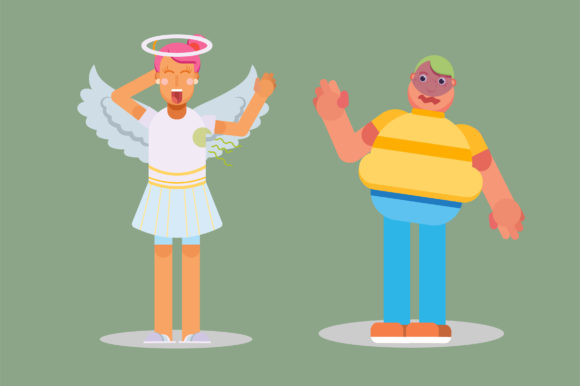
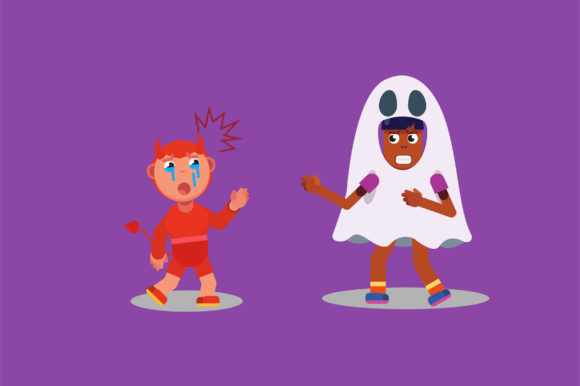
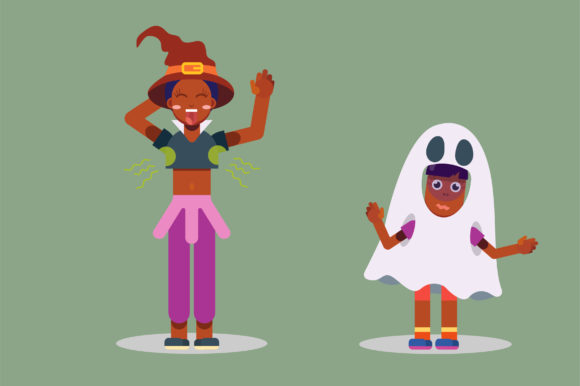
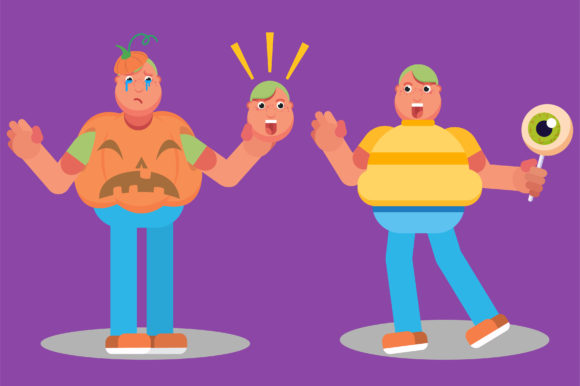
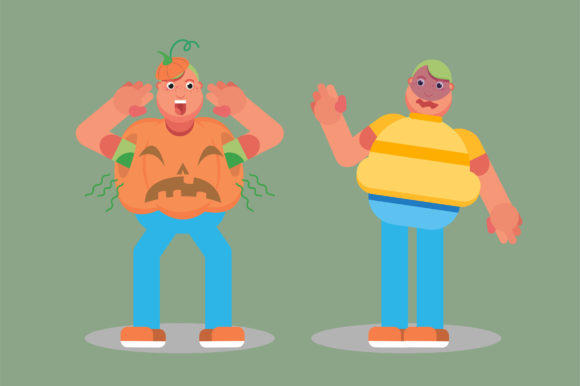
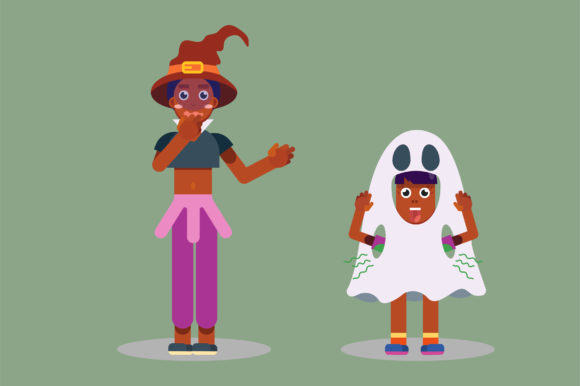
The mood of Smelly Kids - Weird Characters is undeniably playful yet slightly grotesque in a charming way. These aren't your standard holiday graphics; they have a distinct visual personality that suggests movement and attitude. For an embroidery designer, the line work looks promising. The shapes appear bold enough to survive the transition from a digital Graphics file to a physical stitch, but they retain enough detail to remain interesting. When evaluating a machine embroidery design, I always look for clear silhouettes. These characters seem to offer that, which is crucial for readability on items like tote bags or sweatshirts where the viewer might be standing a few feet away.
The "weird" aspect of these characters is their selling point. In a market saturated with generic holiday decor, offering something with a bit of edge can elevate a handmade product from a simple craft to a boutique item. Whether you are an Etsy seller looking to expand your seasonal catalog or a hobbyist making gifts for friends who love the unconventional, this design asset offers a fresh take on traditional spooky themes.
Real-World Application: The Custom Tote Scenario
To truly test the viability of Smelly Kids - Weird Characters, I imagined a specific real-life scenario: creating a limited run of custom canvas tote bags for a local indie bookstore's Halloween event. The goal was to create something durable, washable, and visually striking. Using these characters as the central motif on a natural cotton canvas seemed like a perfect fit. The quirky nature of the "smelly kids" aligns well with the eclectic inventory of a small shop, making the bag not just a carrier, but a statement piece.
In this context, the design would likely work best as a medium-sized placement on the front panel. If the original vector allows for scaling without losing integrity, these characters could also be reduced to create a repeating pattern or used individually as embroidered patch concepts. For a sweatshirt embroidery project, placing a single large character on the chest or a cluster on the back yoke could create a high-value custom apparel item that customers would actually want to wear beyond the holiday season. The key here is versatility; a good design should adapt to different substrates, and these characters seem robust enough to handle various fabric weights.
Navigating Fabric and Stitch Challenges
However, enthusiasm must be tempered with technical caution. When working with character-heavy illustrations, the devil is often in the details. Before committing to a final production run, there are several critical factors to consider regarding how Smelly Kids - Weird Characters performs on different materials.
- Fabric Texture: On thick, textured fabrics like terry cloth towels or heavy wool blends, fine details in the character's facial features might get lost. It is essential to test the design on scrap fabric that matches your final product to ensure the stitch density is appropriate.
- Stretchy Materials: If you plan to use this on a baby onesie or a stretchy t-shirt, the stability of the design is paramount. Character outlines need to remain crisp. Using a high-quality cut-away stabilizer is non-negotiable here to prevent distortion after washing.
- Dark Fabrics: These characters likely rely on specific color palettes to convey their "weird" charm. On dark navy or black garments, you may need to adjust the underlay or add a white backing layer to ensure the thread colors pop and don't look muddy.
- Small Hoop Sizes: If you intend to place these on caps or small accessories, verify that the intricate parts of the illustration do not become too cramped. Tiny lettering or minute decorative accents within the character design might need simplification if the hoop size limits your resolution.
Commercial Viability and Brand Consistency
For commercial embroidery projects and craft business owners, the consistency of the final output directly impacts customer trust. A design like Smelly Kids - Weird Characters can significantly boost buyer engagement if executed correctly. The uniqueness of the art draws the eye, but the quality of the stitching seals the deal. If the satin stitches are smooth and the fill stitches are dense enough to cover the fabric without gaps, the perceived value of the finished product skyrockets.
This is particularly important for personalized gift markets. Parents looking for unique baby embroidery or individuals seeking distinct holiday embroidery gifts are willing to pay a premium for designs that don't look mass-produced. By using these exclusive characters, you differentiate your small shop product from the big-box store offerings. Furthermore, for those selling digital embroidery file adaptations or printable mockup previews, ensuring the source art is clean and scalable is vital for professional presentation.
Essential Pre-Production Checklist
Before you start stitching your next batch of aprons, pillow covers, or kitchen towels, take a moment to run through a practical designer's checklist specifically for this type of illustrative work:
- Test on Scrap: Always stitch a sample on the exact fabric you intend to use. Check how the threads interact with the weave.
- Color Contrast: Review the suggested thread chart against your fabric choice. High contrast often works best for cartoon-style characters to maintain definition.
- Density Check: Inspect the stitch count relative to the size. Too many stitches in a small area can cause puckering, especially on lighter fabrics.
- Detail Inspection: Zoom in on the smallest elements of the character. Will a running stitch hold up, or does it need a wider satin stitch column?
- Mockup Testing: Create black-and-white mockups to see if the design relies too heavily on color for recognition. A strong design should work in monochrome too.
- Licensing Verification: Since this is a creative asset, confirm the licensing terms. Ensure you are cleared for commercial use if you plan to sell the physical embroidered items or modified digital versions.
Ultimately, Smelly Kids - Weird Characters represents more than just a spooky graphic; it is an opportunity to inject humor and distinctiveness into your embroidery portfolio. Whether you are decorating a tote bag design for a festival or creating a series of appliqué design inspired patches, the success lies in the preparation. By respecting the nuances of the fabric, the capabilities of your machine, and the artistic intent of the original illustration, you can transform these weird characters into cherished, tangible keepsakes. The blend of whimsical art and precise craftsmanship is what turns a simple embroidery project into a standout piece of wearable art.