Twin with Thanksgiving Costumes
First Impressions: A Festive and Versatile Design
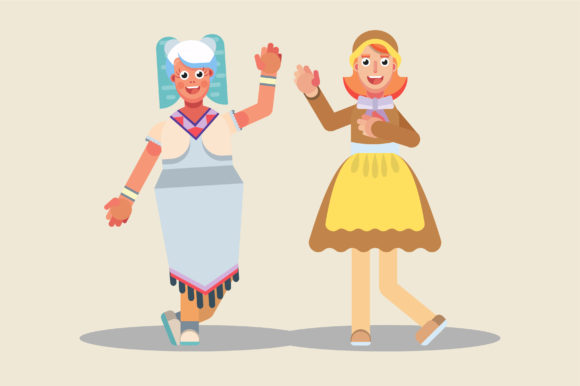
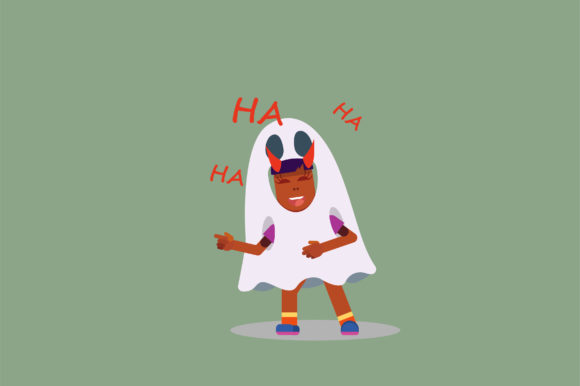
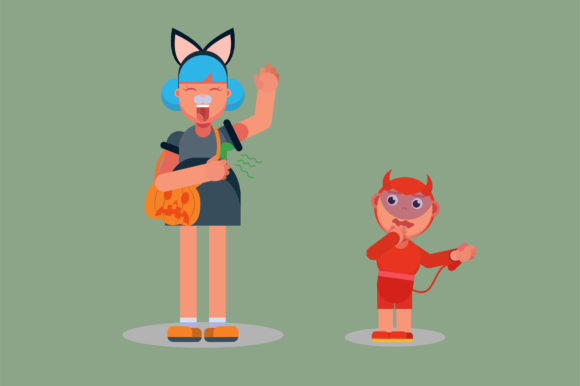
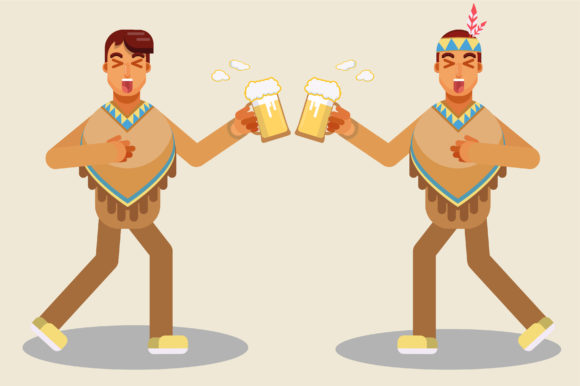
The Twin with Thanksgiving Costumes illustration immediately evokes a sense of warmth and celebration. The characters are designed with a cheerful, hand-drawn aesthetic that feels both nostalgic and modern. The layout is clean and well-structured, making it ideal for embroidery projects that require clarity and visual impact.
The design features two characters in traditional Thanksgiving attire, rendered in a way that balances detail with simplicity. This makes it suitable for a range of embroidery styles, from basic satin stitches to more intricate fill patterns. The overall mood is friendly and inviting, which aligns well with holiday-themed products and personalized gifts.
This vector illustration works best as a machine embroidery design, especially when used for custom apparel, tote bags, or baby items. Its size and composition suggest it was created with practicality in mind, rather than just as a decorative element.
Real-Life Use: From Tote Bags to Holiday Gifts
Imagine you're preparing a custom embroidered tote bag for a client who wants something unique for the Thanksgiving season. The Twin with Thanksgiving Costumes design would fit perfectly on the front of the bag, adding a personal touch that stands out. The characters are large enough to be visible at a distance but detailed enough to hold up under close inspection.
For sweatshirt embroidery, this design could be placed on the chest or back, depending on the project's scope. It’s also great for baby clothes, where the soft, approachable style can make a meaningful statement. As an applique design, it could add dimension and texture to a patch or pillow cover.
When used on a cap or hat, the design might need some adjustment to fit the curved surface, but its layout allows for flexibility. For a small shop product, like a kitchen towel or apron, it adds a festive flair that customers would appreciate during the holiday season.
Considerations for Embroidery Success
While the design is visually appealing, there are a few things to keep in mind when using it in real embroidery projects. First, check the hoop size required for the design. If your machine has limitations, you may need to break the design into sections or adjust the scale.
Stabilizer choice is crucial, especially if you're working with thin or stretchy fabrics. Without proper support, the design may pucker or lose definition. Thread color contrast is another key factor—make sure the colors you choose stand out against the fabric without clashing.
Test the design on scrap fabric before committing to a finished product. This will help you assess stitch density, ensure the design looks good in black and white mockups, and confirm how it appears on both light and dark backgrounds.
Where to Use It Carefully
This design may not be ideal for small hoop sizes, as it could result in incomplete stitching or distorted details. If you're planning to use it on textured fabrics, such as denim or canvas, be mindful of how the stitches interact with the material. Thin or stretchy fabrics may also require additional stabilizer to prevent puckering.
Dense stitch areas can cause the design to look too busy, so consider adjusting the stitch density if needed. Tiny lettering or detailed corners may not translate well unless the design is scaled up appropriately. For layered garments or curved surfaces like caps, test the design first to ensure it looks natural and doesn’t get distorted.
If you're creating a commercial embroidery project, double-check the licensing terms before selling any finished items or digital products. Make sure the design is suitable for both personal and commercial use, depending on your business model.
Impact on Visual Appeal and Customer Perception
The Twin with Thanksgiving Costumes design enhances the visual appeal of any project it's used on. Its clear lines and expressive characters make it easy to recognize, which is important for brand consistency and customer engagement. When used on handmade products or personalized gifts, it adds a level of professionalism that can elevate your offerings.
Customers often look for unique and meaningful designs, and this illustration provides that. Whether it's for a holiday gift, a boutique product, or an Etsy listing, it can increase the perceived value of your work. The design also supports the idea of giftability, as it’s both festive and versatile.
From a marketing perspective, this design can serve as a strong visual asset for printable mockups or digital product previews. It helps potential buyers visualize the final product, which can lead to higher conversion rates and better buyer trust.
Embroidery Designer Notes: Practical Tips for Success
Before starting any project, always test the design on scrap fabric. This helps identify any issues with stitch density, thread color, or stabilizer use. Review the file carefully to understand how it will behave on different types of fabric and in various embroidery settings.
Check whether the design works well with both satin stitch and fill stitch techniques. Some areas may require running stitch for finer details. If the design includes decorative accents, make sure they’re clearly defined and won’t get lost in the stitching process.
Ensure the design is compatible with your embroidery machine and software. Confirm that the file format is supported and that the dimensions match your project requirements. Always verify the licensing terms if you plan to sell the finished product or distribute the digital embroidery file.
Finally, think about how the design will look in different contexts. Will it work on a tote bag, a baby onesie, or a custom patch? Understanding the versatility of the design helps you maximize its potential across multiple projects and product types.