A Boy and a Little Devil: A Halloween Embroidery Review
As a designer who spends more time staring at stitch simulations than actual sleep, I approach every new machine embroidery design with a healthy dose of skepticism. We have all been burned by files that look crisp on the screen but turn into a bird's nest of thread breaks and puckering on the hoop. So, when I pulled up the files for A Boy and a Little Devil - Halloween, I wasn't just looking for cute characters; I was looking for structural integrity, smart digitizing, and commercial viability. This isn't just another spooky graphic; it is a potential cornerstone for your autumn product line, provided you understand how to handle its specific visual personality.
First Impressions: Mood and Visual Personality
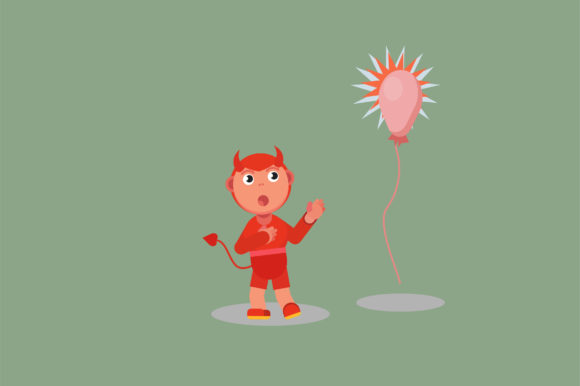
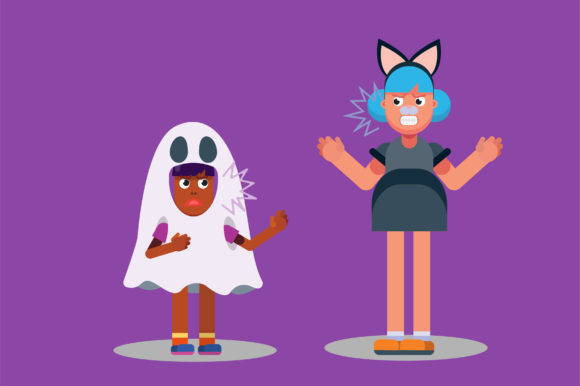
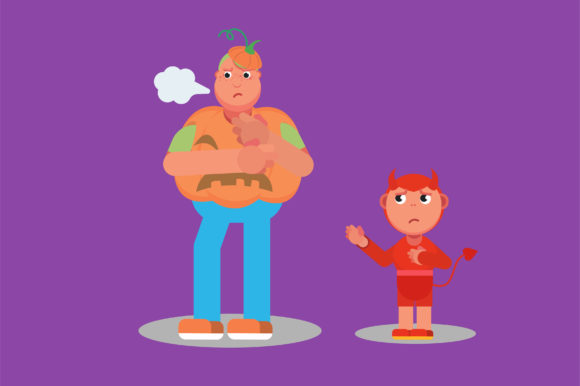
The first thing that strikes you about A Boy and a Little Devil - Halloween is its departure from the typical "scary" Halloween aesthetic. The description hints at a "sorrowful cartoon," and that emotional nuance translates beautifully into the stitch layout. In a market saturated with grinning pumpkins and screaming ghosts, this illustration offers a moment of whimsical melancholy. The interaction between the boy and the little devil feels narrative-driven, suggesting a friendship rather than a conflict.
From a technical standpoint, the shapes are distinct. The vector origins of this Graphics asset are evident in the clean lines and defined boundaries. For an embroiderer, this is crucial. Clean vectors usually mean the digitizer had a clear roadmap for creating satin stitch borders and smooth fill stitch areas. The color palette, described as colorful, suggests a vibrant finish that will pop against neutral backgrounds, but it also demands careful thread selection to maintain that intended mood without looking muddy.
Real-World Application: The Custom Tote Bag Scenario
To truly test the worth of an embroidery file, I mentally place it on a real product. Let's imagine a custom order for a local boutique: a canvas tote bag for trick-or-treating. Canvas is a sturdy fabric, but it has a distinct weave. When I visualize A Boy and a Little Devil - Halloween stitched onto a natural cotton canvas, the contrast is immediate. The bright colors of the devil and the boy stand out sharply against the beige texture.
However, this is where practical judgment comes in. Because the design features characters with likely expressive faces and potentially small details (given the "illustration" nature), stitch density becomes a critical factor. If the digitizing is too dense for a flexible fabric like a tote bag, the item will become stiff and board-like around the design area. For a functional item like this, you want the finished product to remain pliable. I would recommend running a test stitch-out on a scrap piece of canvas similar in weight to your final product. Pay close attention to the underlay; a good applique design or character piece should have sufficient underlay to prevent the fabric grain from showing through the fill areas.
Versatility Across Product Lines
Beyond tote bags, this design shines in several other categories relevant to Etsy sellers and craft business owners:
- Sweatshirt Embroidery: The "sorrowful" yet cute vibe fits perfectly on oversized hoodies or crewnecks, a massive trend in fall fashion. The soft texture of fleece pairs well with satin borders, provided the stabilizer is up to the task.
- Baby Embroidery: Parents often look for unique holiday items that aren't terrifying. This gentle take on Halloween makes it ideal for baby onesies or bibs, though you must verify the smallest details are large enough to stitch cleanly on small hoops.
- Embroidered Patches: Given its sticker-like quality mentioned in the source description, this design would translate exceptionally well into a merrow-edge patch. This allows you to sell the design as a standalone accessory or apply it to hats and jackets without worrying about direct fabric distortion.
- Home Decor: Think pillow covers or kitchen towels. The narrative element makes it a great conversation piece for seasonal home staging.
Technical Considerations and Potential Pitfalls
While the artistic merit is high, we must address the technical hurdles. Any design featuring characters with distinct features requires scrutiny regarding stitch density and detail resolution. If the "little devil" has small horns or the boy has intricate facial expressions, these areas are prone to thread breaks if the stitches are too short or the needle size is incorrect.
Furthermore, consider the hoop size. Character illustrations often require a medium to large hoop to capture the full interaction between the figures without cramping. If you are working with a standard 4x4 hoop, you may need to check if the design has been split or if it simply won't fit. Always confirm the dimensions before committing to a project, especially for curved surfaces like caps. Embroidering a detailed scene on a cap front is notoriously difficult due to the curvature; unless the design is simplified or specifically digitized for caps, it might distort.
Fabric choice is another variable. On dark fabrics, the "colorful" aspect of the design will rely heavily on the brightness of your thread. Ensure your thread colors have enough sheen and saturation to overcome the darkness of the material. Conversely, on white or light fabrics, ensure there are no gaps in the fill stitching that reveal the background unintentionally.
Enhancing Brand Value and Customer Trust
Using a high-quality, emotionally resonant design like A Boy and a Little Devil - Halloween can significantly elevate your handmade product presentation. Customers can tell the difference between a generic, clip-art style embroidery and one that has character and depth. This design offers a story, which increases the perceived value of your custom apparel or gifts. It moves the item from being a simple commodity to a keepsake.
For those selling digital embroidery file assets or finished goods, consistency is key. If your brand focuses on whimsical, slightly off-beat holiday items, this design fits right in. It reinforces brand identity. However, always double-check the licensing terms. Just because a design is available as a vector or graphic does not automatically grant commercial embroidery rights. Verify whether you can sell the stitched items or if the license is for personal use only.
Final Designer Notes for Execution
Before you launch this into production, here is my checklist for ensuring success with A Boy and a Little Devil - Halloween:
- Test on Scrap: Never skip this. Stitch the design on the exact fabric you intend to use for the final product.
- Stabilizer Selection: Match your stabilizer to the fabric weight. For stretchy sweatshirts, a cut-away stabilizer is often safer than tear-away to prevent long-term distortion.
- Contrast Check: View your thread chart against both light and dark fabric swatches. Does the "sorrowful" expression read clearly from a distance?
- Detail Inspection: Zoom in on the digital preview. Are there any tiny islands of color that might not stitch out well? If so, consider manual editing if your software allows, or avoid using it on textured fabrics like terry cloth.
- Mockup Verification: Create a printable mockup or digital proof to show clients before stitching. This manages expectations and confirms the scale looks correct on the garment.
In conclusion, A Boy and a Little Devil - Halloween is a compelling addition to the Illustrations category for embroiderers willing to pay attention to detail. It bridges the gap between cute and quirky, offering a fresh take on holiday themes. With the right fabric, proper stabilization, and a keen eye for density, this design can be the star of your seasonal collection, delivering both aesthetic charm and professional durability.