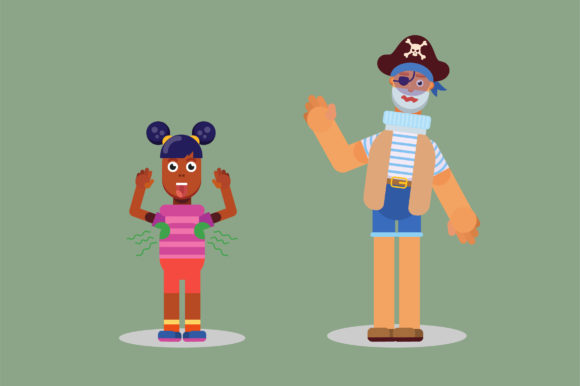
Smelly Little Girls: A Halloween Design Review
As a designer who spends more time staring at stitch simulations than actual screens, I approach new Illustrations and Graphics with a specific set of criteria. It is not just about whether an image looks cute on a monitor; it is about whether it survives the transition from a digital embroidery file to a tangible, stitched reality. When I first encountered the Smelly Little Girls - Halloween Theme, my initial reaction was one of curiosity mixed with professional caution. The concept promises "funny and weird Halloween people," which suggests a playful, character-driven aesthetic perfect for the spooky season. However, the title itself raises immediate questions about execution, tone, and market fit for a craft business.
First Impressions and Visual Personality
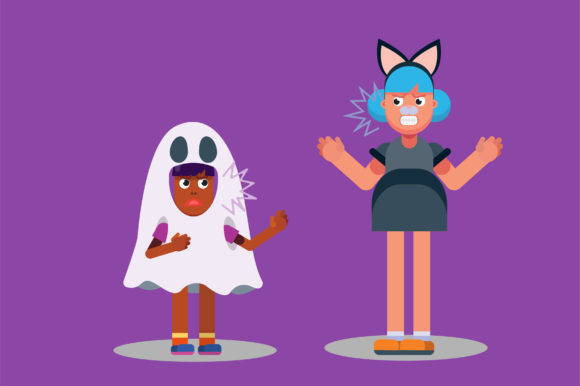
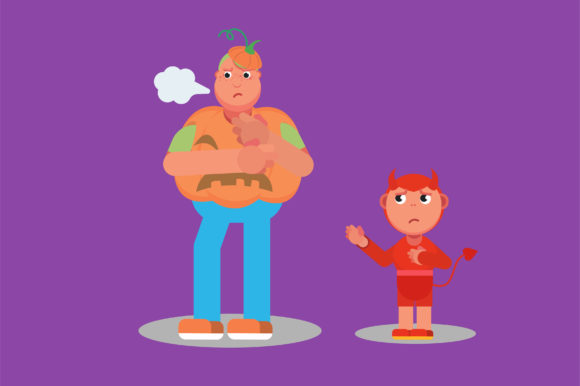
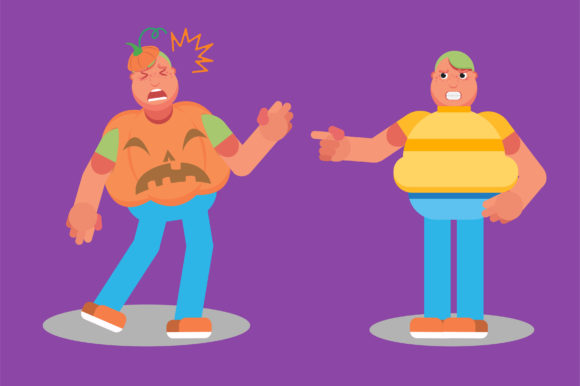
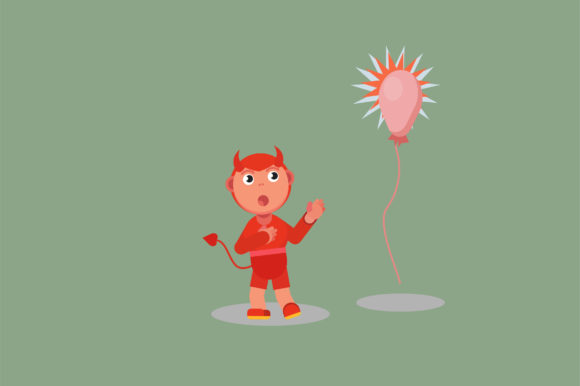
The mood created by this design is distinctly whimsical yet slightly edgy, fitting squarely into the modern trend of "creepy cute" that dominates October decor. Unlike traditional scary ghosts or generic pumpkins, these characters appear to have personality quirks that make them stand out. For an Etsy seller or boutique owner, this visual personality is gold. It moves beyond standard holiday tropes and offers something that feels like a custom illustration rather than a clip-art afterthought.
When evaluating the layout and detail level, one must consider how these "weird" features translate to thread. Vector illustrations often rely on smooth gradients and sharp lines that do not always play nice with satin stitch or fill stitch limitations. If the design relies heavily on tiny facial expressions or intricate accessories to convey its "smelly" or weird nature, there is a risk of losing those details in smaller hoop sizes. The charm of this piece lies in its character; if the stitching clumps together, the humor gets lost, and you are left with a muddy blob on a sweatshirt.
Real-World Application: The Tote Bag Test
To truly understand the value of Smelly Little Girls - Halloween Theme, I imagined a specific real-life scenario: creating a limited run of canvas tote bags for a local farmer's market pop-up shop. Canvas is a forgiving fabric with a distinct fabric texture that can hide minor stitching imperfections, making it an ideal testing ground for character designs.
In this context, the design shines as a focal point. Placed centrally on a natural or black canvas bag, the characters would serve as a conversation starter. Customers love handmade products that tell a story, and a group of quirky Halloween girls definitely tells a story. However, the success of this embroidery project depends entirely on the stitch density. If the vector conversion results in overly dense fills, the canvas might pucker, ruining the drape of the bag. Conversely, if the density is too light, the backing might show through, especially if using lighter thread colors against dark fabric.
For a small shop product like this, the perceived value is high. A customer is more likely to pay a premium for a tote featuring unique characters than one with a generic "Happy Halloween" text. This design has the potential to elevate a simple $5 bag into a $25 boutique item, provided the stitching quality matches the uniqueness of the art.
Navigating Fabric and Hoop Challenges
While the tote bag scenario is promising, applying Smelly Little Girls - Halloween Theme to other materials requires careful consideration. For instance, using this on a stretchy baby onesie for baby embroidery presents significant challenges. The "weird" details might be too small for the curvature of a sleeve or the stretch of knit fabric. In such cases, a heavy stabilizer is non-negotiable, and one might need to simplify the design or enlarge it significantly to prevent the stitches from breaking during wear and wash cycles.
Similarly, curved surfaces like caps demand scrutiny. If the design includes wide elements or text that spans horizontally, it may distort when stitched onto the front panel of a hat. The "funny" aspects of the characters could look unintentionally distorted if the hoop tension isn't perfect. For sweatshirt embroidery, the thick fleece can swallow small details. I would recommend avoiding this design on very plush fabrics unless the original vector is bold and simplified for larger scale applications.
Dark fabrics pose another hurdle. If the design relies on subtle shading to define the "smelly" or ghostly attributes, those nuances will vanish on black or navy backgrounds. In these instances, the design functions better as an applique design, where fabric layers create the contrast rather than thread alone. This approach not only solves the visibility issue but also adds a tactile dimension that customers love in personalized gifts.
Commercial Viability and Brand Consistency
For commercial embroidery professionals, consistency is key. If you plan to use Smelly Little Girls - Halloween Theme across a range of products—from tea towels to hoodies—you must ensure the design scales well. A design that looks fantastic as a large back-piece on a jacket might look cluttered and indistinct as a chest logo. Testing the design in black and white mockups is a crucial step before committing to production. This helps verify that the silhouette remains recognizable even without color, which is essential for brand recognition and printable mockup versatility.
Furthermore, the title "Smelly Little Girls" is provocative. While this can be a marketing hook, it requires context. In a family-friendly boutique, the name might raise eyebrows among parents, even if the visual is harmless. It is vital to align the product description with the visual reality to avoid customer confusion. Clear communication about the "funny and weird" nature of the characters ensures that buyers know exactly what they are getting, fostering trust and reducing returns.
Practical Notes for the Stitcher
Before loading this digital embroidery file into your machine, there are several practical steps to take. First, always test the design on scrap fabric that matches your final material. Pay close attention to the corners of the characters; sharp angles in vectors often result in bird-nesting in embroidery if the underlay is insufficient. Check the thread colors carefully. Sometimes, a vector uses six shades of purple, but in thread, three distinct shades provide better definition and reduce thread breaks.
Verify the licensing terms explicitly. Just because a graphic is available for download does not automatically grant rights for unlimited commercial embroidery or resale as a digital asset. Ensure you have the clearance to sell finished items like patches or apparel. Finally, inspect the small details. If the design includes tiny eyes or fingers, consider whether they will hold up after frequent washing. For items like kitchen towels or aprons that face rough treatment, you might need to reinforce these areas with additional stitching or opt for a simpler version of the design.
Ultimately, Smelly Little Girls - Halloween Theme offers a refreshing break from standard holiday motifs. With its unique character work and potential for storytelling, it is a strong candidate for holiday embroidery collections. However, its success relies on the maker's ability to adapt the vector art to the physical constraints of thread and fabric. By respecting the limitations of the medium and planning your application wisely, this design can become a standout piece in your finished product lineup, delighting customers with its weird and wonderful charm.